The Corporate Event Planning Checklist
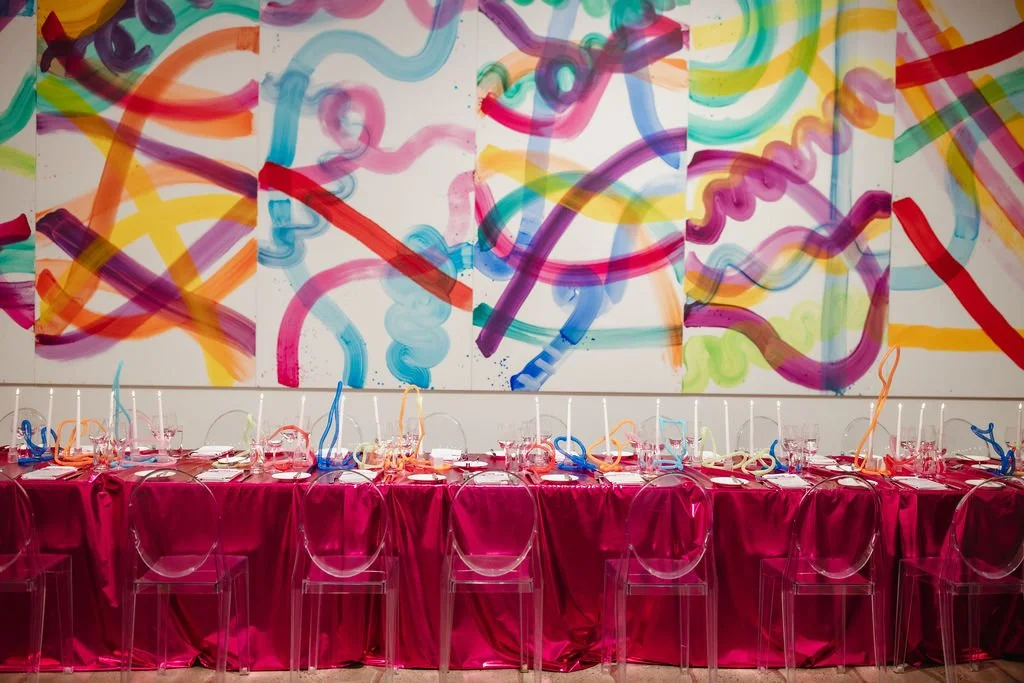
A corporate event planning checklist is a phase-by-phase list of every decision and task that turns a brief into a finished event. The strongest way to use one is to work in six phases: set the objective and budget, lock the date and venue, design the experience, manage suppliers and the run sheet, run the day, then follow up and measure the result. The single biggest predictor of a smooth event is not the size of the budget. It is how early the objective is defined, because every later decision, from venue to styling to run sheet, should serve that one goal. Below is the full checklist, phase by phase, with the details that are easy to miss.
Phase 1: set the objective, budget and guest list
Before a venue, before a theme, before anything, answer these. What is the one business result this event must drive: recognition, a product launch, client retention, team culture, or pipeline? Name one primary objective, not five. Who is the audience, how many, and who genuinely needs to be in the room? What is the budget, and what is it protecting? Split it into the non-negotiables, the things guests remember, and the flexible line items. What does success look like in numbers, whether attendance, engagement, leads, media or rebookings, and decide how you will measure it now, not after. And who owns the decision? One approver, or the timeline slips.
Phase 2: lock the date, venue and key suppliers
Confirm the date against the audience’s calendar, avoiding school holidays, industry events, the EOFY crunch and public holidays. Shortlist and inspect venues against capacity, layout, load-in access, AV, catering rules and parking. Confirm the anchor suppliers early, because the best book out first: styling and creative direction, catering, AV and production, and entertainment. Read the venue contract for hidden constraints like minimum spend, supplier restrictions, bump-in and bump-out windows and noise curfews. And take out event insurance and confirm supplier public liability.
Phase 3: design the experience
This is where an event becomes memorable rather than merely organised. Define the guest journey from arrival to exit: what they see, feel and do at each moment. Set the creative direction and styling so the space reflects the brand and the objective, because this is the layer guests remember and photograph. Plan the key moments: the arrival, the reveal, the speech, the award, the send-off. Confirm catering and beverage flow so it supports the experience rather than interrupting it. Brief photography and video against the moments that matter, not just wide shots. And build sustainability into the design with reusable and hired pieces, considered sourcing and less single-use.
Phase 4: build the run sheet and manage suppliers
Create a minute-by-minute run sheet for the day, shared with every supplier and the venue. Confirm a bump-in schedule: who arrives when, what they need, and in what order. Assign on-the-day owners for each zone, so no decision waits on one person. Collect final numbers, dietaries and access requirements. Prepare a contingency plan for wet weather, a late supplier, AV failure or a speaker who does not show. And confirm signage, name badges, seating and place cards if required.
Phase 5: run the day
Walk the room before doors and check the styling, AV, catering and signage against the run sheet. Brief the front of house and MC on timings and any changes. Keep one person on the run sheet and one on the guest experience. Capture content in real time for post-event use. And solve problems quietly, because guests should never see the machinery.
Phase 6: follow up and measure
The event is not finished when guests leave. Send a thank you to guests and suppliers within 48 hours. Gather the content and use it while the event is still fresh. Measure against the Phase 1 numbers: attendance, engagement, leads, media and rebookings. Run a short debrief on what to keep, what to change and what to brief better next time. And log the learnings so the next event starts ahead.
What is the most important step in corporate event planning?
Defining the objective in Phase 1. Every other decision, from the venue to the styling to the run sheet, should serve that single result. Events that skip this step tend to look organised but land flat, because nothing is pulling in one direction.
The brands whose events land hardest treat styling and experience design as strategy, not decoration. We plan galas, launches and awards nights for national brands including LinkedIn, Toyota, Raine and Horne and Komatsu, and the pattern is always the same: the clearer the objective, the more the room can be designed to serve it.
Frequently asked questions
What are the main stages of planning a corporate event?
Six phases: set the objective, budget and guest list; lock the date, venue and key suppliers; design the experience; build the run sheet and manage suppliers; run the day; then follow up and measure the result.
How far in advance should you plan a corporate event?
For a significant corporate event, three to six months is a sensible minimum, and longer for large galas or awards nights, because the best venues and anchor suppliers book out first. Smaller events can be planned faster, but the objective and budget should still be set at the start.
What is the most commonly missed step in corporate event planning?
Defining a single measurable objective before any other decision. Without it, choices are made on taste rather than purpose, and the event is hard to evaluate afterwards.
What should a corporate event run sheet include?
A minute-by-minute schedule for the day, the bump-in order for suppliers, on-the-day owners for each zone, final guest numbers and dietaries, and a contingency plan for weather, AV and no-shows.